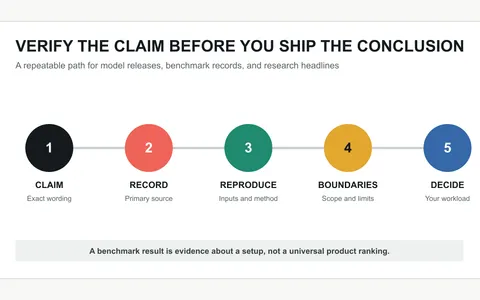
Signals of an imminent Kimi K3 launch are circulating, but the most important fact is also the simplest: Moonshot AI has not published an official K3 model card, API identifier, weights, pricing table, or benchmark report as of this article’s publication on July 14, 2026.
A briefly visible promotion page reportedly referenced a July 15 K3 launch event, and observers have reported seeing K3 in a beta model selector. The page could not be consistently reproduced. That is evidence of launch preparation, not confirmation of final specifications.
Fast reporting should preserve that distinction. K3 may arrive within hours, but parameter counts, context length, multimodal support, benchmark scores, license terms, and public availability remain unverified until Moonshot publishes them.
The useful question for developers is therefore not whether K3 will win launch day. It is whether the model can preserve Kimi’s aggressive economics while improving the parts of agent work that public leaderboards often undermeasure.
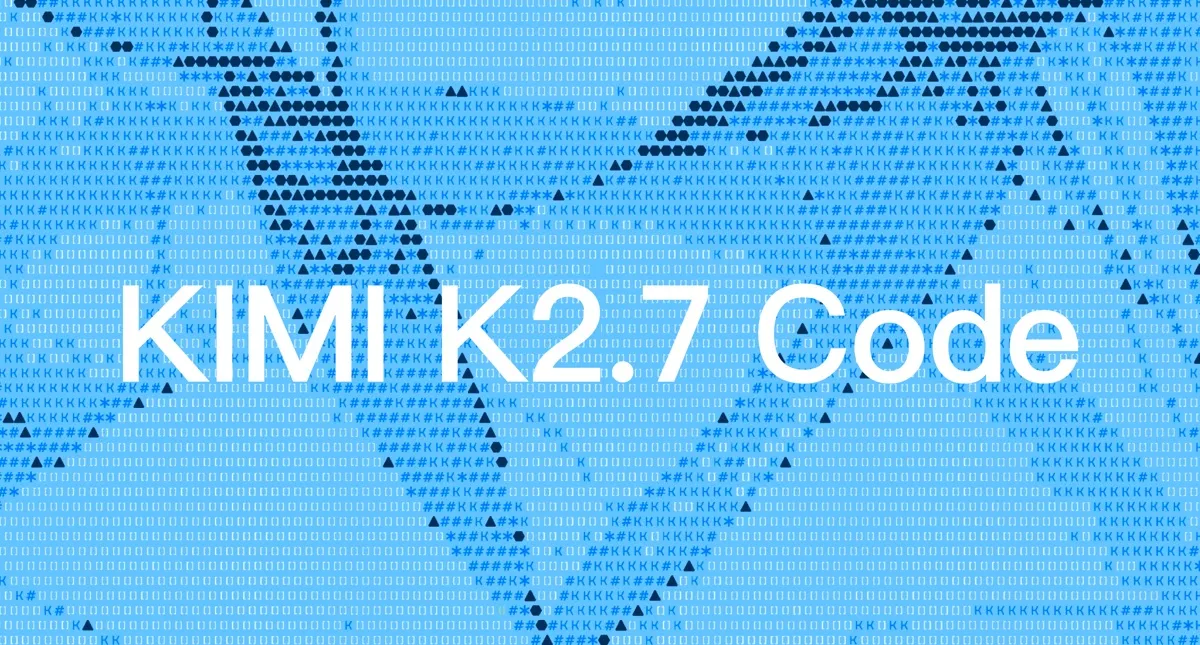
Figure: Moonshot AI’s official artwork for Kimi K2.7 Code, the documented coding baseline available before K3. Source: Moonshot AI.
The documented baseline is Kimi K2.7 Code
Moonshot released Kimi K2.7 Code on June 12. It is a coding-focused mixture-of-experts model with one trillion total parameters, 32 billion active parameters per token, a 262,144-token API context window, and mandatory thinking mode.
The company reports that K2.7 uses about 30% fewer reasoning tokens than K2.6 on average. Its official changelog also reports gains of 10.4% on Program-Bench, 11.4% on MCP Mark Verified, and 76.2% on SWE Marathon. Those are vendor measurements and need workload-specific reproduction.
The current standard API price is $0.19 per million cached input tokens, $0.95 per million uncached input tokens, and $4 per million output tokens. A high-speed tier costs twice those rates. This gives K3 a demanding baseline: a new flagship is less interesting if it closes a quality gap by surrendering the cost advantage that made Kimi attractive.
K2.7’s latest tooling also shows what Moonshot considers important. The Kimi Code changelog highlights archived sessions, reasoning preserved across turns, visible compaction summaries, on-demand MCP tool loading, and a high-speed mode. K3 should be judged as part of that whole agent system, not as an isolated chat endpoint.
Five tests should decide whether to switch
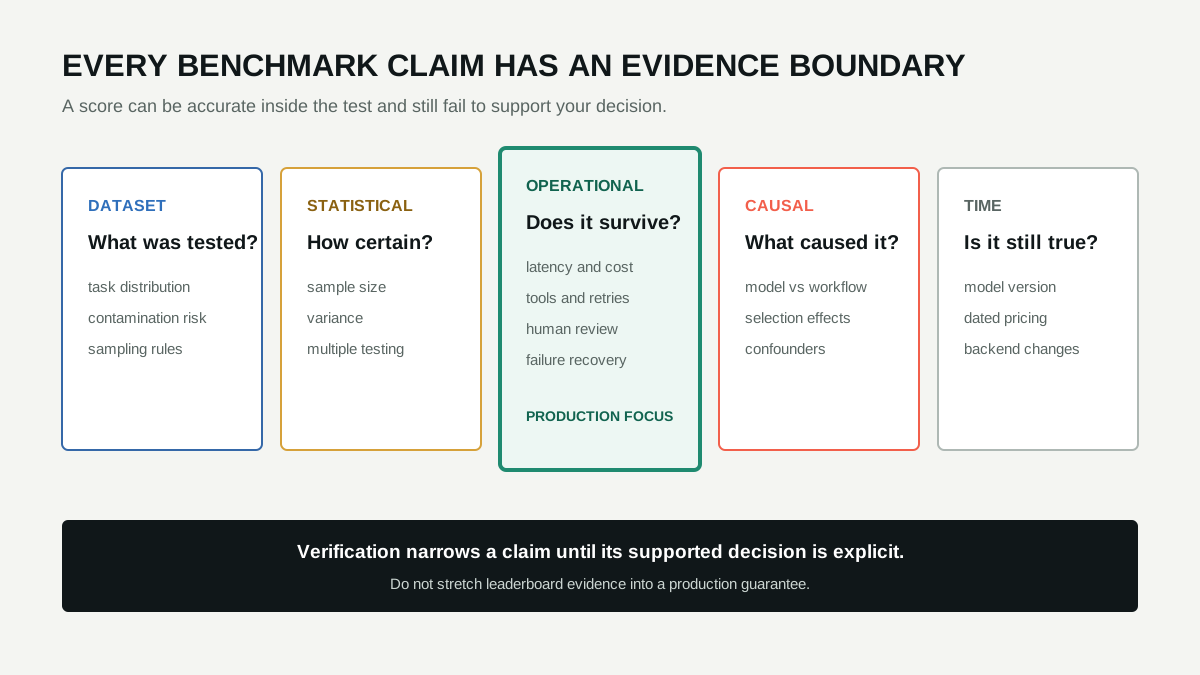
Figure: Dataset, statistical, operational, causal, and time boundaries must be explicit before a result supports a production decision. Yield Signal Daily editorial diagram.
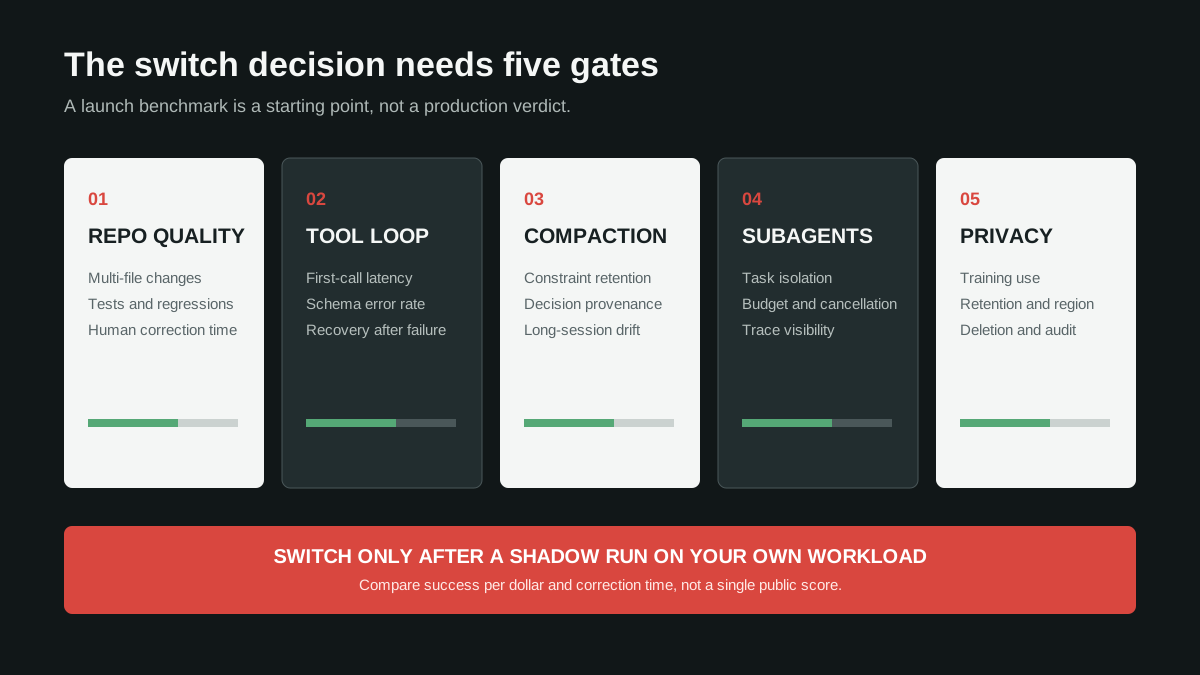
Figure: A practical migration decision measures end-to-end engineering behavior, agent control, and data governance rather than one launch score.
1. Real repository quality
Run K3 against versioned tasks from repositories you actually maintain. Include a cross-file feature, a subtle bug, a dependency upgrade, a failing test suite, and a refactor with behavioral constraints.
Measure more than pass rate. Track unnecessary files changed, regression count, human correction time, test quality, and whether the model preserves existing architecture. A benchmark can reward a patch that passes one evaluator while creating maintenance debt elsewhere.
2. Tool-call speed and recovery
Agent performance depends on the loop around the model. Measure time to first tool call, schema-valid call rate, tool selection accuracy, redundant calls, and recovery after a timeout or rejected action.
Average output speed is not enough. A model that streams quickly but repeatedly calls the wrong tool can finish later and cost more. Test long sequences with injected failures: malformed output, unavailable MCP server, permission denial, stale file state, and an interrupted terminal command.
3. Context compression fidelity
Long context is useful only if the agent retains the right constraints after compression. Give K3 a multi-hour task with explicit architectural decisions, rejected alternatives, user preferences, security boundaries, and unresolved follow-ups. Then force repeated compaction.
Score whether it preserves decisions, file ownership, commands already tried, and the reason a previous approach failed. Also inspect whether the summary invents progress or silently drops a constraint. Token savings have little value if the agent later repeats work or reintroduces a rejected design.
4. Internal subagent control
Subagents should improve parallel work without creating an invisible cost and coordination problem. Test whether K3 decomposes tasks cleanly, gives each worker sufficient context, prevents overlapping edits, cancels obsolete work, and merges results with traceable provenance.
The interface should expose token and time budgets per worker, tool permissions, current state, and failure reasons. A swarm that looks impressive in a demo but cannot be observed or interrupted is difficult to trust in a production repository.
5. Privacy and data governance
Moonshot’s current Kimi API security FAQ says API inputs and outputs are not used to train its models, communications use HTTPS/TLS, and user data is isolated. That is a useful starting statement, not a complete enterprise review.
Before sending private code, verify contractual retention, storage region, subprocessors, deletion behavior, abuse-review handling, access logging, incident notification, and whether the same terms apply to every K3 surface. Self-hosted open weights and a hosted API are different privacy products even when they use the same model name.
Use a shadow run instead of a loyalty decision
A developer does not need to choose one model for every task. Route a fixed sample of real work to K3 in shadow mode while the current system remains authoritative. Remove secrets, keep prompts and tool environments equivalent, and compare completed outcomes.
The primary metric should be successful work per dollar, including correction time:
effective task cost =
  API cost
  + retry cost
  + tool execution cost
  + engineer correction time
  + regression risk
Record p50 and p95 latency, not only averages. Separate first-token speed from tool-loop completion time. For context tests, evaluate both a fresh session and a resumed, repeatedly compacted session. For subagents, compare the same task with parallelism disabled.
A staged migration can then assign K3 only the workloads where it wins. Coding, research, browser tasks, and personal automation may produce different answers.
Ignore model-lineage rumors
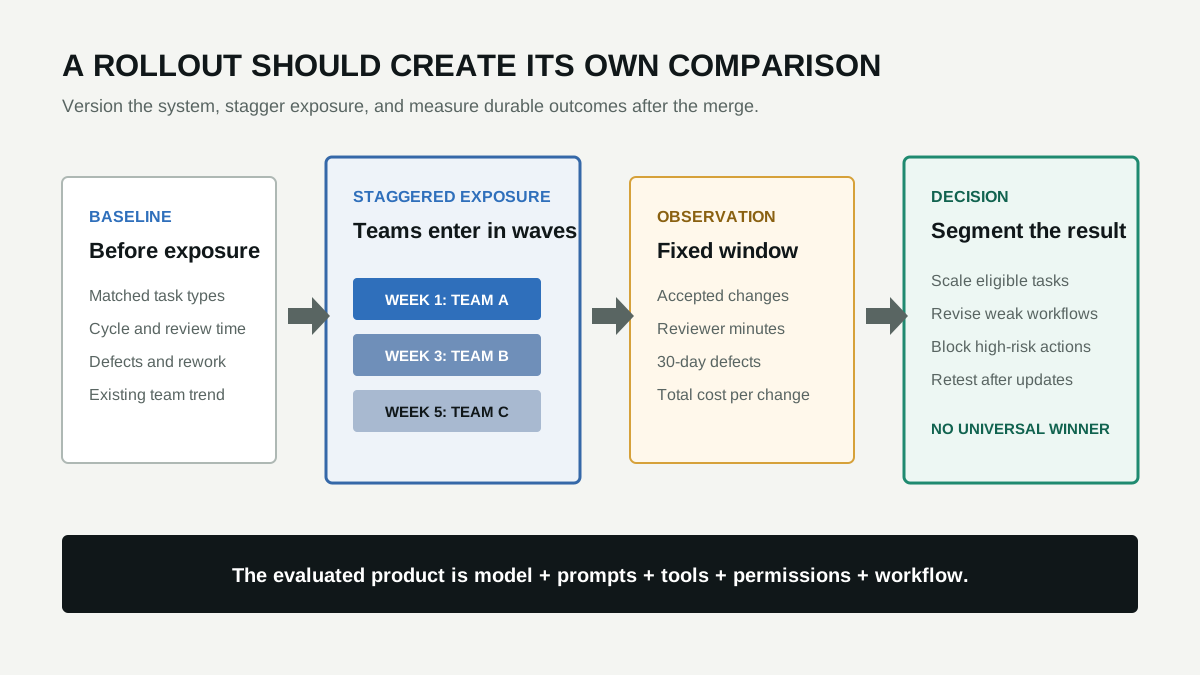
Figure: Staggered exposure creates comparison windows while a fixed observation period captures quality, cost, defects, and durable outcomes. Yield Signal Daily editorial diagram.
Social media often fills an information vacuum with claims that one lab’s model is secretly based on another. Unless a company publishes weights, architecture evidence, training disclosures, or a reproducible technical analysis, those claims are not a migration criterion.
Evaluate the shipped artifact. A model should earn adoption through observable quality, tool reliability, context discipline, agent control, price, and privacy. Brand origin and online speculation do not fix a failed tool call or protect a private repository.
Switch only after the shadow run
Kimi K3 is worth watching because Moonshot has already established a low-cost, open-weight, agent-focused baseline. If K3 closes the quality gap with leading closed models while preserving Kimi’s pricing and developer tooling, switching at least part of a workload would be rational.
That conclusion cannot be reached from a transient promotion page. The first useful K3 report should confirm the model ID, model card, license, prices, context behavior, and official benchmarks. The second should reproduce those claims on real repositories.
Until then, the release signal is news. The five-gate scorecard is the decision.