GPT-5.6 Cycle Double Cover Proof: What Still Needs Verification
WHY IT MATTERS
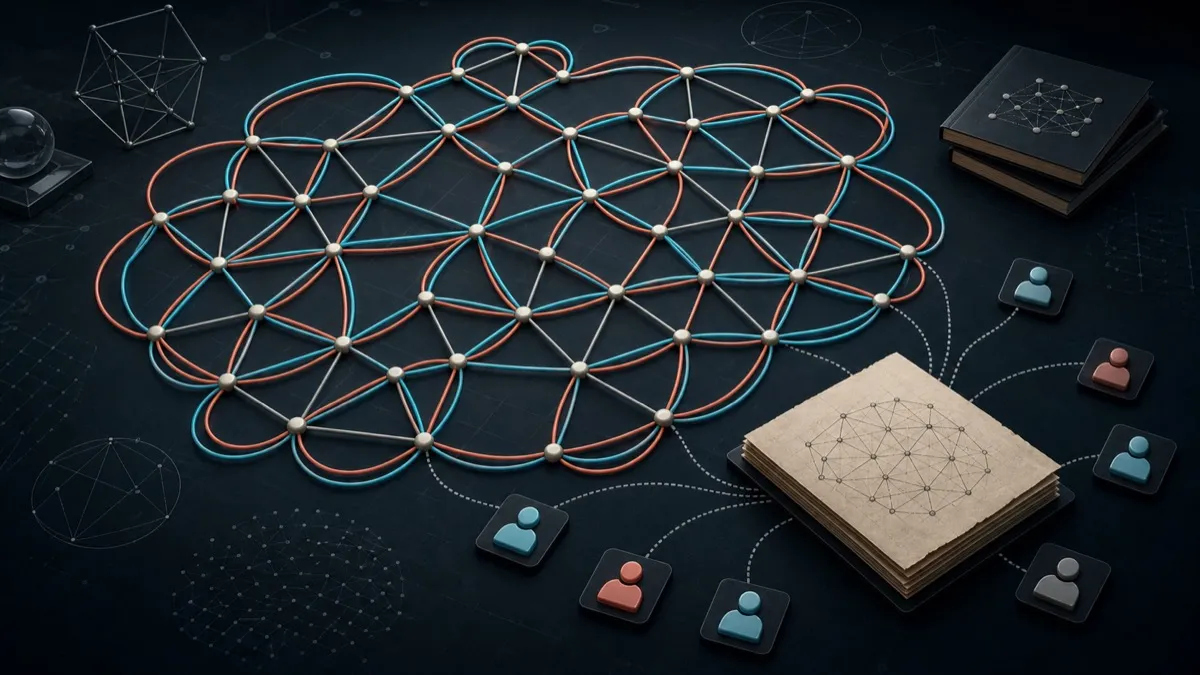
OpenAI published an AI-generated Cycle Double Cover proof. This critique maps the argument, likely failure points, and evidence needed for acceptance.
OpenAI published an AI-generated Cycle Double Cover proof. This critique maps the argument, likely failure points, and evidence needed for acceptance.

GDC's 2026 survey shows a widening gap between AI adoption and trust. The divide becomes clear when internal assistance is separated from shipped content.

Kimi K3 is released, but SWE Marathon scores are only one signal. Test repo quality, tool calls, context compression, subagents, and privacy before migrating.
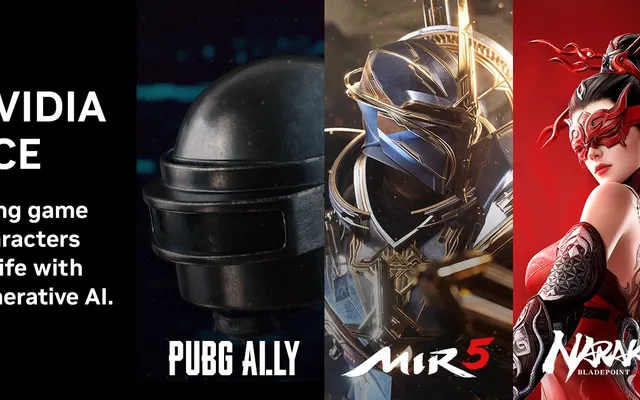
How NVIDIA ACE connects local LLMs, speech, RAG, tools, and Unreal Engine 5 to build lower-latency AI NPCs, plus the production tradeoffs.
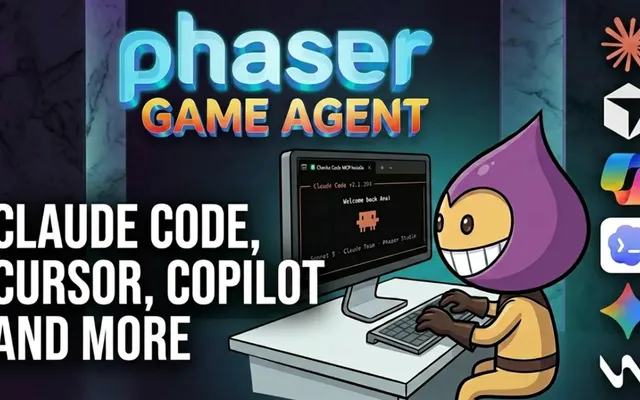
A developer-focused review of Phaser Game Agent, its MCP setup, generated code and assets, sandbox architecture, pricing, and practical limitations.
Moonshot's Kimi K3 combines 2.8T parameters, sparse MoE routing, native vision, and a 1M context window. Agent reliability and serving cost remain open.
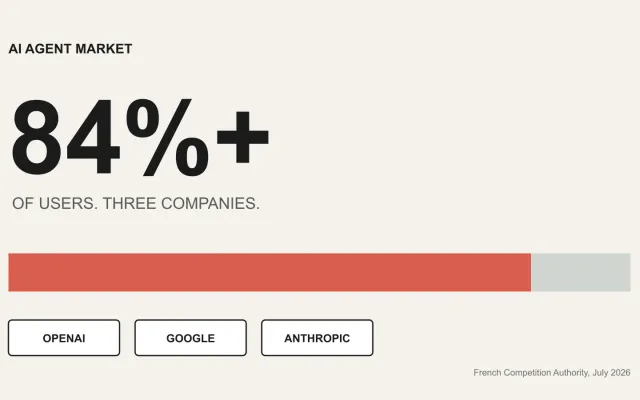
France's competition authority says OpenAI, Google, and Anthropic hold over 84% of AI-agent users and warns that agents may become commerce gateways.
A Google engineering pattern treats prompts like compiled software: modular sources, dependency checks, deterministic builds, eval gates, and reviewed releases.
Ray 2.55 adds official TPU support across its release pipeline. The key engineering change is atomic scheduling of complete TPU slices on GKE.